





Dairy Processing
No Dead Angles, No Product Buildup: Meeting the Highest CIP & SIP Standards

Process Challenges in Dairy Fluid Handling
Dairy products are rich in butterfat, milk proteins, and calcium. When temperatures fluctuate or fluid velocity drops in piping bends, milk residue readily adheres to internal weld beads, micro-crevices, and gasket seams, creating breeding grounds for bacterial biofilms. Because of this, modern dairy facilities enforce strict Clean-in-Place (CIP) and Sterilization-in-Place (SIP) routines. Piping systems must withstand daily high-concentration caustic flushes, nitric acid neutralization, and 135°C live steam without surface pitting, corrosion, or gasket extrusion.
Our Top Product Picks
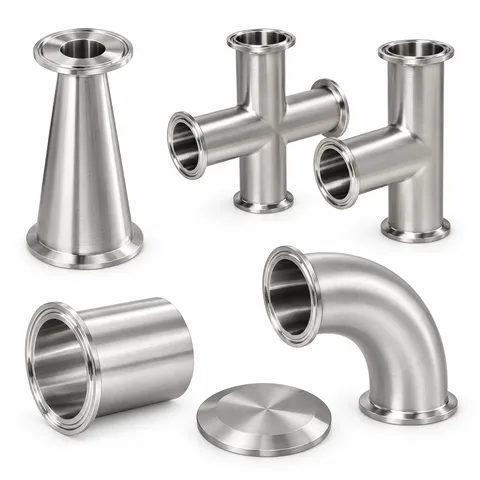
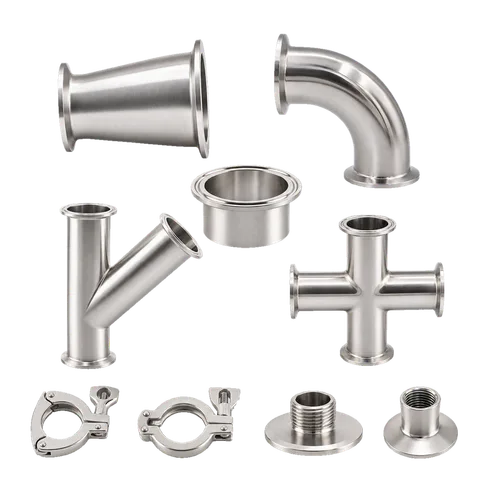
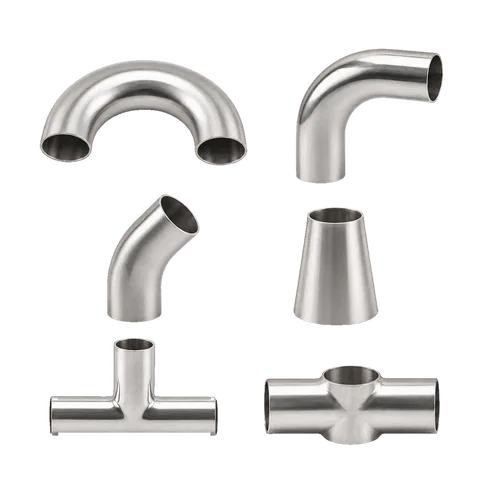
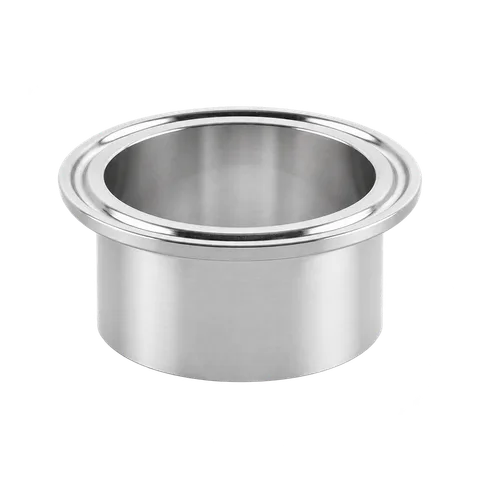
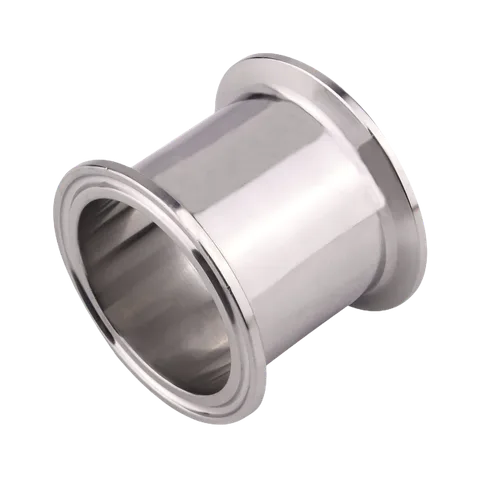
3-A & AS 1528 Sanitary Weld Fittings (Elbows / Tees / Reducers)
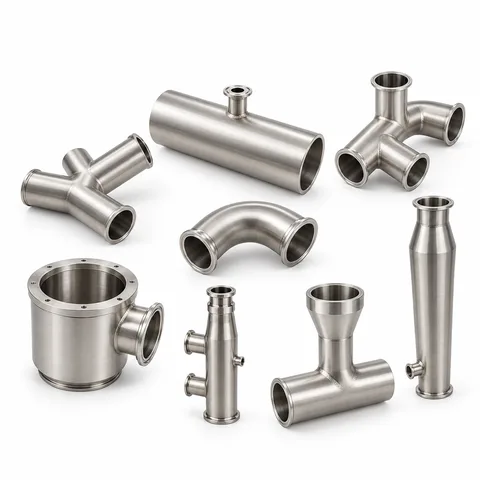
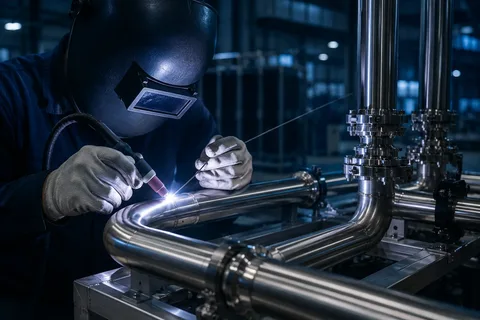
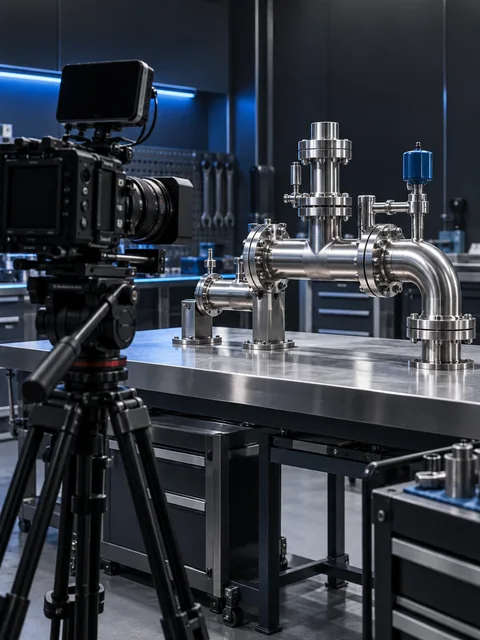
To eliminate bacteria traps and fluid turbulence, Chelsey weld fittings are precision-machined for automated Orbital Welding. With an internal surface finish down to Ra ≤ 0.4 µm, it guarantees seamless tube transitions with zero microscopic crevices.
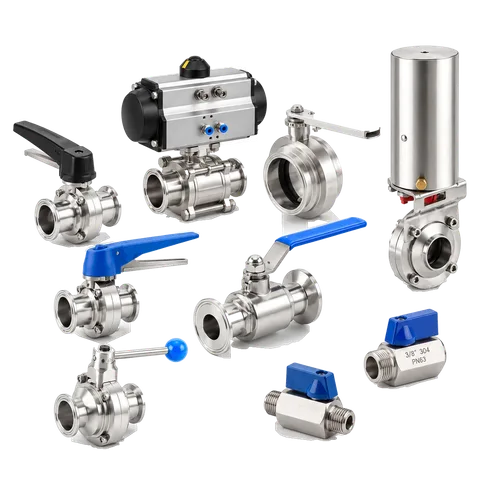
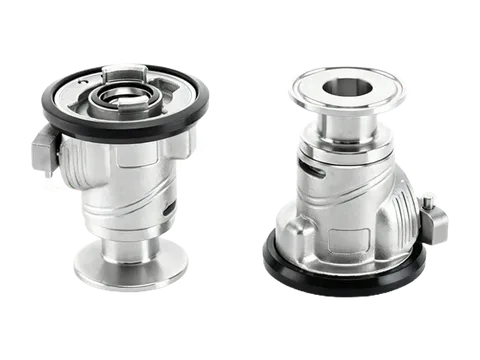
View sanitary weld & clamp fittingsSanitary 3-Way Ball Valves & Mix-Proof Divert Valves
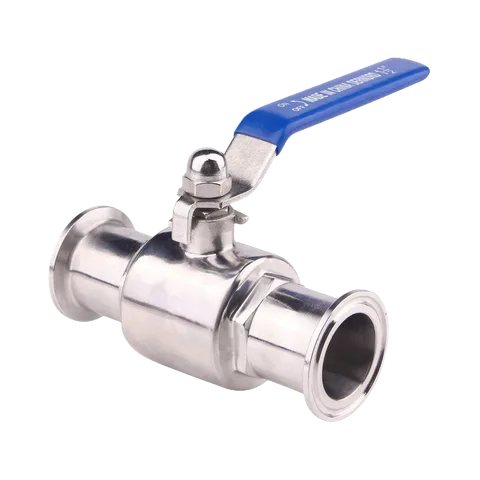
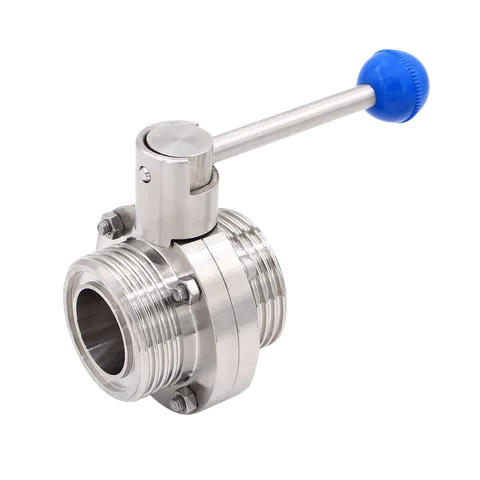
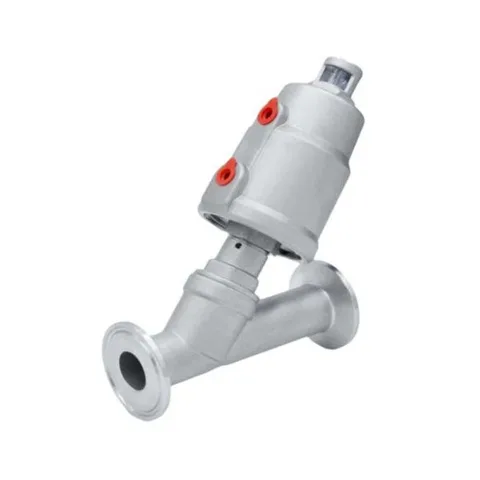
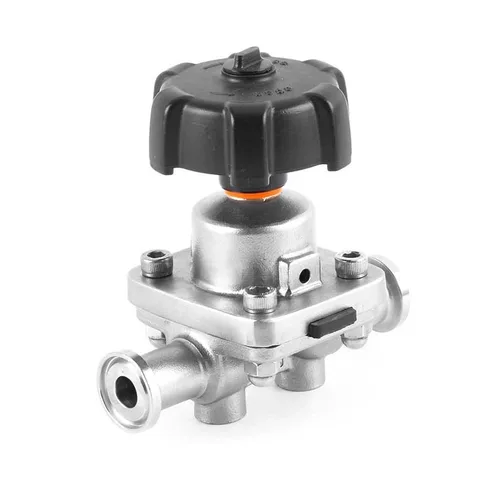
Full-bore and cavity-filled mixproof valves engineered for switching, diverting, and routing milk smoothly across pasteurization, separation, and packaging lines while keeping cleaning chemicals completely isolated from product streams.
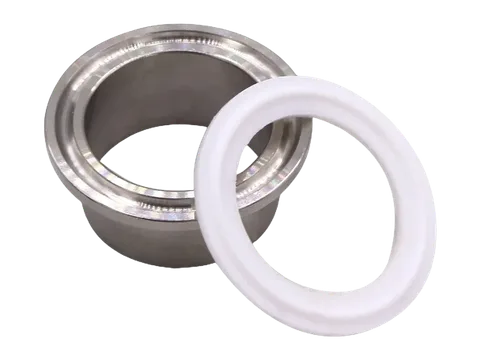
View sanitary process valvesFood-Grade Teflon (PTFE) & EPDM Sanitary Gaskets
Manufactured using FDA 21 CFR 177.2600 grade elastomers suited for Halal-ready MS 1500 hygienic processing. Resistant to butterfat swelling, acidic caustic washdown, and 135°C steam SIP cycles without deforming under clamp torque.
Browse sanitary gaskets & sealsPros & Cons for Your Process
【Welded Fittings】 Seamless Safety
Ra ≤ 0.4 µm electropolished inner surface meets stringent 3-A rules. Once orbitally welded, lines form a single continuous, seamless run with zero dead zones for bacteria to hide, making CIP flushing exceptionally fast and effective.
Higher initial installation cost requiring certified orbital welders. Modifying pipe routing later requires cutting and re-welding (which is why demountable Tri-Clamp joints are placed at frequent inspection points).
【3-Way Ball Valves】 Smart Flow Control
A single valve manages multiple flow directions simultaneously. The mix-proof design isolates CIP wash chemicals from fresh dairy products, preventing accidental cross-contamination and saving valuable skid space.
More intricate internal cavity mechanism than simple butterfly valves, requiring structured seal inspection schedules during annual plant turnaround.
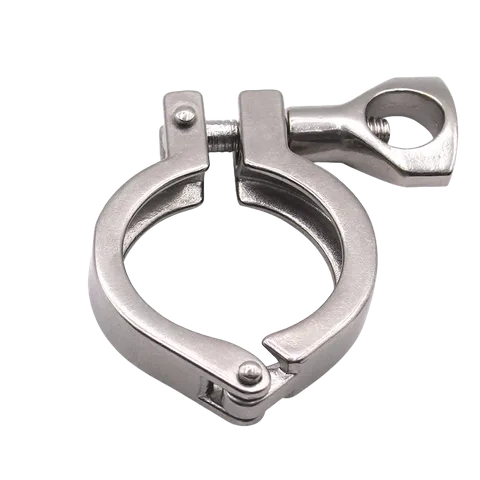
【Tri-Clamp Connections】 Rapid Serviceability
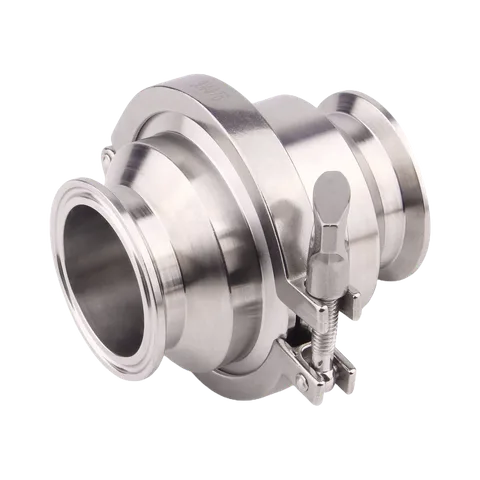
Assembled and demounted in seconds by hand or wing nut without special tools. Unmatched convenience for pumps, filters, and lines requiring daily manual washdown and rapid batch changeover.
Gaskets require periodic replacement during CIP maintenance routines, and clamp tightening torque must be verified after intense thermal shock cycles.
Regional Standards & Market Compliance
Engineered for regional piping codes across Australia, Europe, and Southeast Asia.
AS 1528.1–.4 & BS 4825
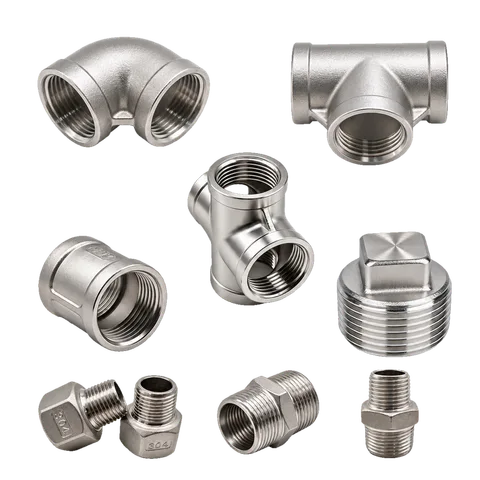
Full dimensional conformance to AS 1528.1 (Tubes), AS 1528.2 (Bends & Tees), AS 1528.3 (Clamp Liners), and AS 1528.4 (Screwed Fittings) with imperial outside diameters and standard 1.6 mm wall thickness.
- Standard: AS 1528.1–.4 / BS 4825 / RJT
- Tubing OD: 1/2" – 4" Imperial
- Couplings: AS 1528 Clamp & RJT Union
DIN 11851 & SMS 1145
Conforming to European DIN 11851 metric sanitary unions, Swedish SMS 1145 couplings, and 3-A Sanitary Standards 63-04 with precision orbital-weld end prep, heavy round threads, and full mechanical shock tolerance.
- Standard: DIN 11851 / SMS 1145 / 3-A
- Tubing OD: DN10 – DN150 / Imperial
- Finish: Ra ≤ 0.4 µm Electropolished
Halal MS 1500 & FDA 21 CFR
Clean-room degreasing, animal-fat-free mineral machining lubricants, and non-porous 316L metallurgy matched to Halal-ready MS 1500 processing and FDA 21 CFR 177 food-contact elastomer specifications.
- Compliance: Halal MS 1500 / FDA 21 CFR 177
- Elastomers: EPDM / FKM / PTFE / Silicone
- MTR Cert: EN 10204 3.1 Batch Traceable
Technical Engineering FAQs
Practical engineering answers covering standards, metallurgy, cleaning cycles, and regional adaptation.
What tube standards are most common in Australian and New Zealand dairy plants?
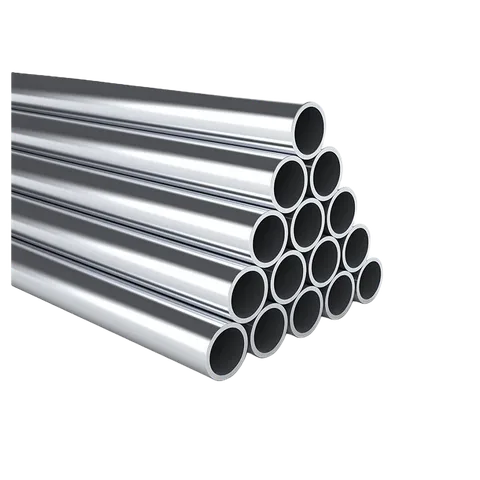
AS 1528 is the recognized benchmark across Australia and New Zealand, covering AS 1528.1 (Tubes), AS 1528.2 (Bends & Tees), AS 1528.3 (Clamp Liners & Ferrules), and AS 1528.4 (Screwed Fittings). Chelsey supplies dimensionally matched AS 1528 components with imperial outside diameters and standard 1.6 mm wall thickness, as well as British RJT (BS 4825) union adapters.
How do Chelsey fittings prevent butterfat and protein buildup at union joints?
We ensure precision internal bore concentricity with flush-fit FDA elastomer gaskets and precision CNC-turned ferrule sealing faces. Combined with electropolished Ra ≤ 0.4 µm interior surfaces, fluid flows laminarly without dead pockets where milk residues can stagnate.
When should DIN 11851 or SMS 1145 unions be selected over Tri-Clamp?
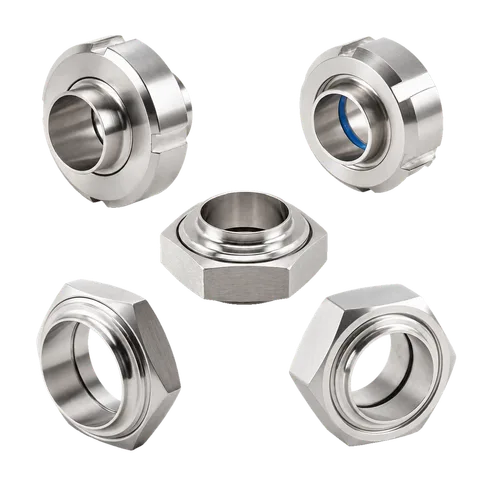
DIN 11851 round slotted nuts and SMS 1145 heavy-duty couplings are preferred on high-vibration pump jumpers, homogenizer discharge lines, and European OEM processing skids where rigid mechanical screw threads provide superior resistance to hydraulic shock.
Do Chelsey dairy fittings meet Halal MS 1500 standards for Southeast Asian markets?
Yes. Our manufacturing and polishing processes use only mineral and synthetic non-animal lubricants. All food-contact stainless steels and FDA 21 CFR 177 grade elastomer gaskets are ADI-free and selected for Halal-ready food manufacturing audits.
Ready to discuss your piping requirements?
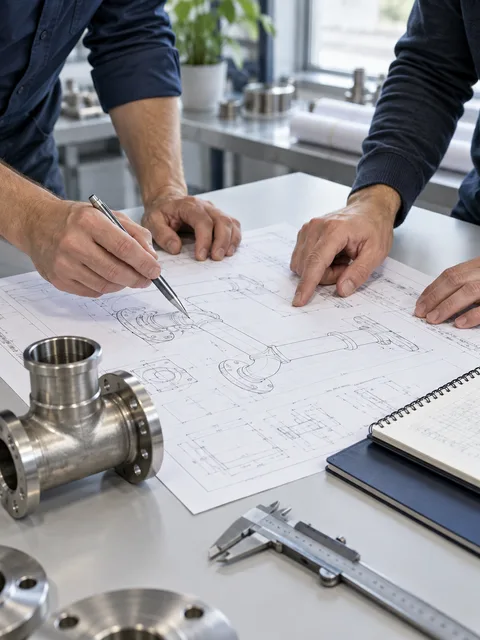
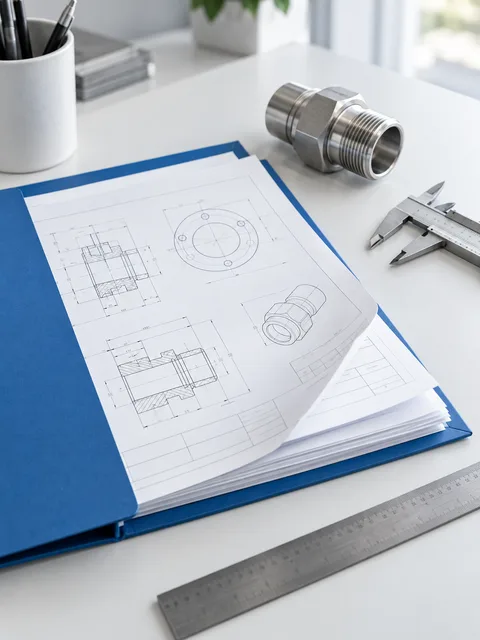
Send your CAD drawings, BOM schedules, or dimensional specifications for a rapid technical review and quotation.
Browse complete product catalog →