






Brewing & Beer
Zero Oxygen Ingress, High Carbonation Retention: Protecting Delicate Hop Aromas

Process Challenges in Brewing & Fermentation
In commercial and craft brewing, even parts-per-billion (ppb) oxygen ingress during transfer oxidizes hop oils and malt polyphenols, causing stale, cardboard-like off-flavors and severely shortening shelf life. Furthermore, cellar piping must withstand intense centrifugal pump pulsations, heavy yeast sediment, acidic sanitizers (peracetic acid), and continuous 3–5 bar operating pressures in bright beer tanks (BBT) and carbonation loops without gas leaks or gasket failure.
Our Top Product Picks
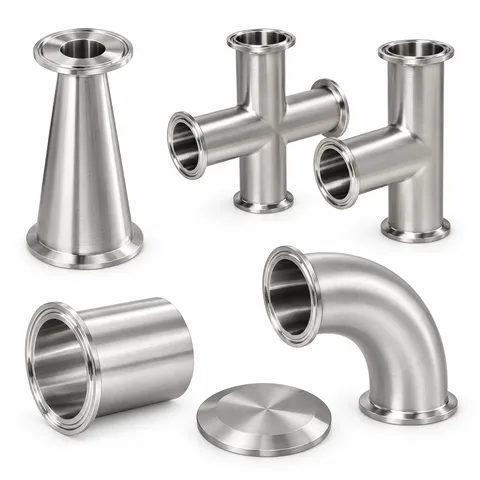
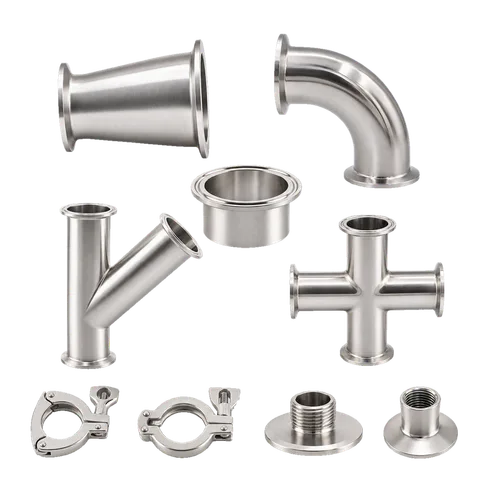
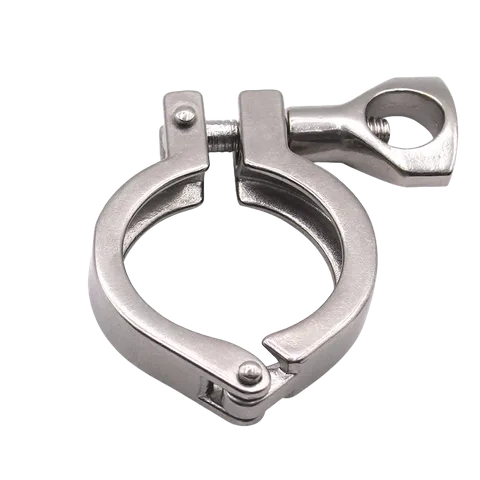
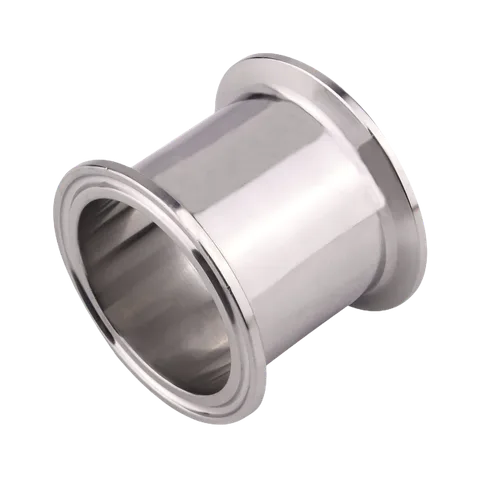
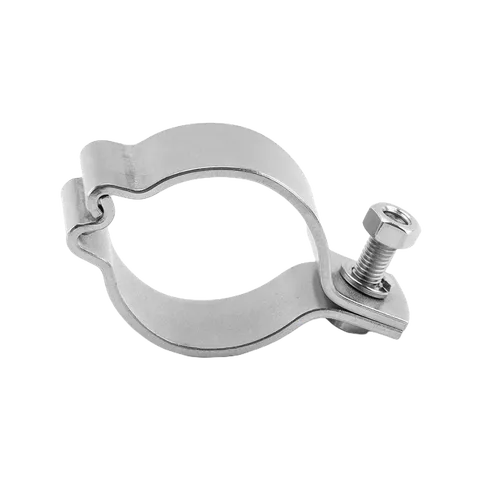
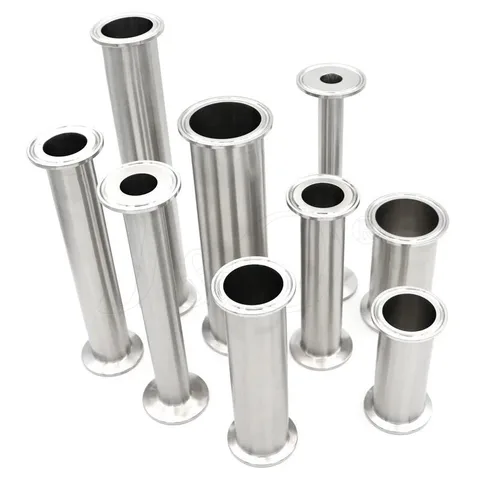
Heavy-Duty Vibration-Proof Tri-Clamp Assemblies
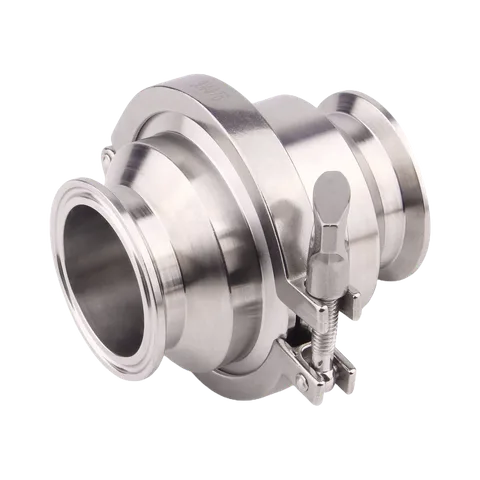
Engineered with dual-bolt forged 304/316L clamps and precision ferrule seats that lock tight against transfer hose pulling forces and pump pressure pulsations, ensuring 100% hermetic zero-leakage seals.
View heavy-duty clamp assembliesZero-Pocket Cavity-Filled Sanitary Ball Valves
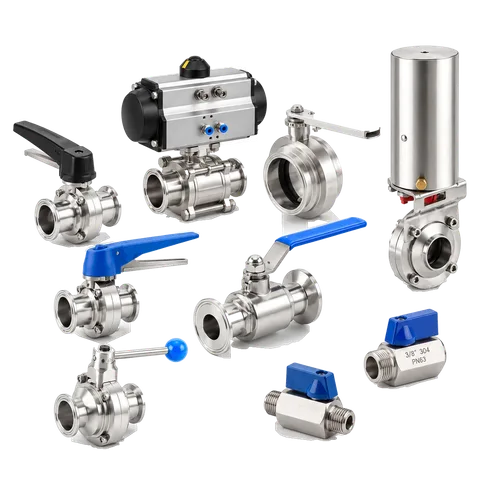
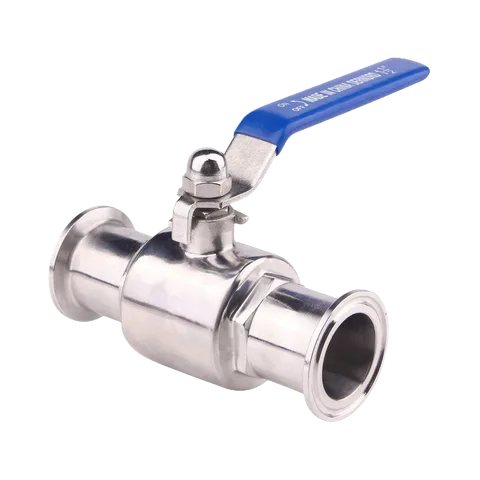
PTFE encapsulated body fills all internal dead spaces around the ball, preventing yeast sludge and wort sugars from settling, rotting, and cross-contaminating subsequent fermentation batches.
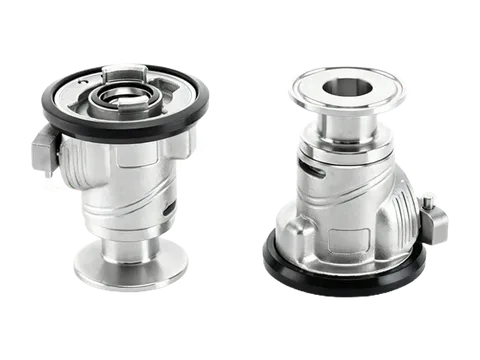
View cavity-filled sanitary valvesSterile Dial-In Diaphragm Sampling Valves
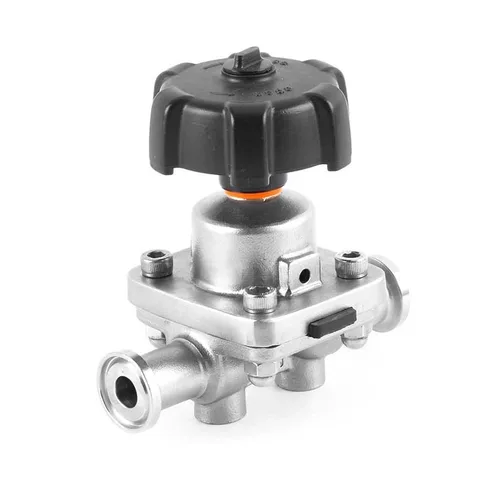
Spring-loaded aseptic diaphragm design allows daily Brix, gravity, and microbiological sampling directly from pressurized tanks without tank depressurization or atmospheric air ingress.
View sterile sampling valvesPros & Cons for Your Process
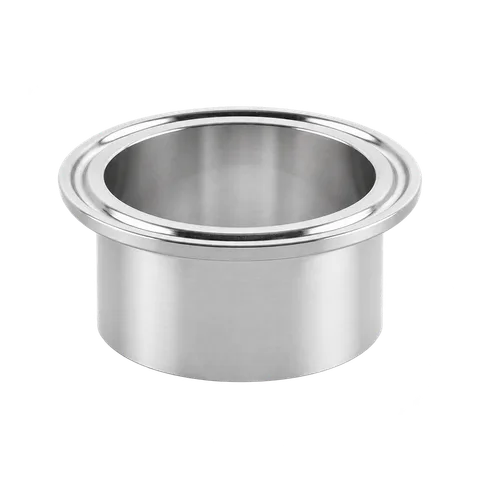
【Tri-Clamp Ferrules】 Flexible Cellar Routing
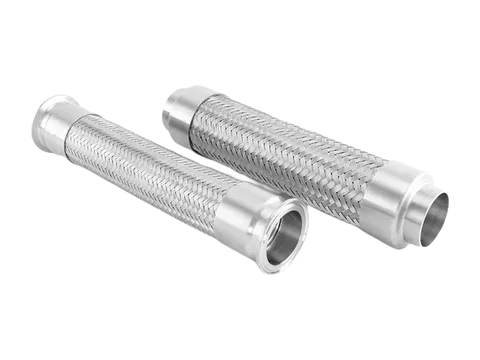
Allows cellar operators to quickly reroute transfer hoses between whirlpools, fermenters, and bright beer tanks in seconds. Smooth bore eliminates foam turbulence and preserves carbonation.
Clamps must be tightened evenly to avoid pinching gaskets; high-vibration pump discharges require heavy-duty dual-pin clamps instead of standard single-pin models.
【Cavity-Filled Valves】 Absolute Yeast Isolation
Completely eliminates fluid dead legs where yeast and trub can accumulate. Withstands hot caustic and acid CIP cycles without taking the valve off the line.
Slightly higher operating torque than standard unseated valves; requires genuine virgin PTFE seats for high-temperature sanitization.
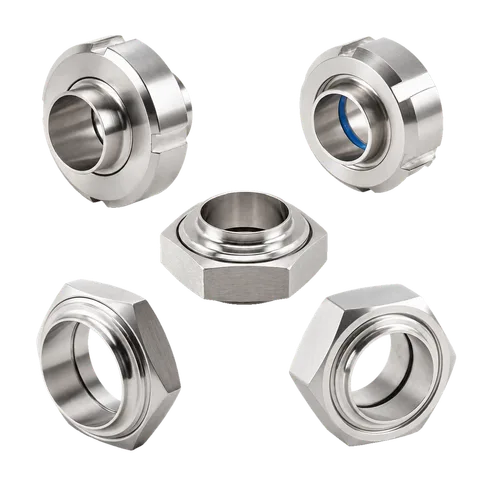
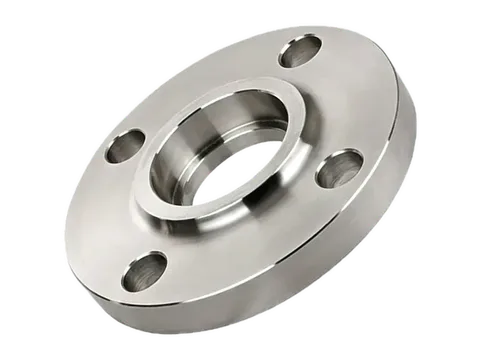
【RJT / BSM Screwed Unions】 High Mechanical Shock Resistance
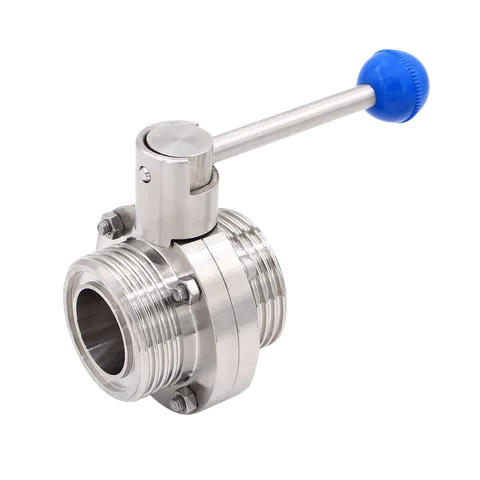
Coarse round threads resist galling and withstand heavy dragging of cellar transfer hoses across concrete brewhouse floors. Widely preferred in Australian and UK breweries.
Requires a C-spanner wrench for make-up and breakdown; heavier tare weight than lightweight clamp ferrules.
Regional Standards & Market Compliance
Engineered for regional piping codes across Australia, Europe, and Southeast Asia.
AS 1528 & BS 4825 Part 5
Standardized for Australian craft breweries featuring robust RJT and BSM round-thread unions, heavy-gauge imperial tubing, and vibration-proof clamps.
- Standard: AS 1528 / BS 4825 Pt 5 RJT
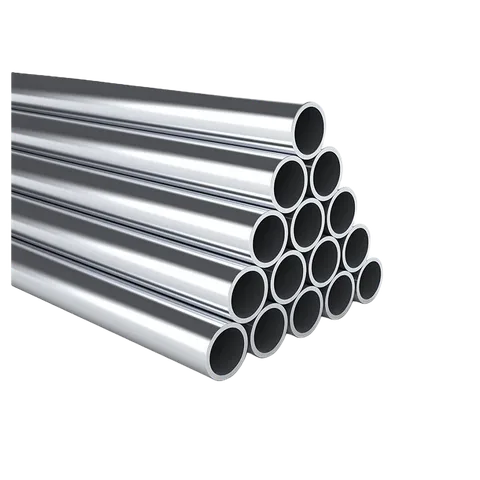
- Tubing OD: 1" – 4" Imperial BSM
- Thread Form: Whitworth Coarse Round Thread
DIN 11851 & SMS 1145
Metric DIN 11851 unions and Swedish SMS 1145 couplings delivering zero-leakage seals for pressurized fermenters and bright beer tanks.
- Standard: DIN 11851 / SMS 1145
- Tubing OD: DN25 – DN100 Metric
- Pressure: Up to 10 bar Static Design
Peracetic Acid & Caustic CIP
316L metallurgy resistant to peracetic acid sanitizers and 85°C caustic cycles, backed by batch-traceable EN 10204 3.1 material test certificates.
- Sanitizers: Peracetic Acid / Phosphoric
- Gaskets: EPDM / Food-Grade FKM
- Traceability: 3.1 Heat Number Stamped
Technical Engineering FAQs
Practical engineering answers covering standards, metallurgy, cleaning cycles, and regional adaptation.
How do Chelsey Tri-Clamp fittings ensure zero oxygen ingress during beer transfers?
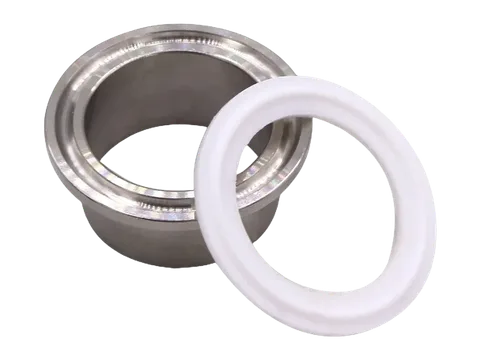
Our ferrules are CNC-machined from forged 304/316L stainless steel with strictly controlled face perpendicularity and groove depth. Paired with high-durometer precision EPDM or PTFE gaskets, the joint maintains a hermetic seal even under pump suction vacuum.
Why are RJT and BSM unions widely used in Australian and British craft breweries?
RJT (BS 4825 Part 5) features coarse round threads that resist cross-threading and can be disassembled rapidly by hand with a spanner. The robust O-ring seal handles frequent hose movement across cellar tanks without leakages or thread galling.
Can Chelsey manufacture custom rotating racking arms and tank bottom fittings?
Yes. We fabricate custom-length racking arm assemblies with sanitary dial indicators, dual-O-ring swivel glands, and eccentric tank-bottom connections according to your vessel engineering drawings.
How does the cavity-filled ball valve design protect beer flavor and stability?
Standard ball valves have an open cavity surrounding the ball where wort sugars and dead yeast accumulate and spoil. Chelsey cavity-filled valves feature solid PTFE body inserts that fill this void completely, preventing microbial harborage and off-flavor development.
Ready to discuss your piping requirements?
Send your CAD drawings, BOM schedules, or dimensional specifications for a rapid technical review and quotation.
Browse complete product catalog →